


FastAPI Boilerplate
Features
- Async SQLAlchemy session
- Custom user class
- Dependencies for specific permissions
- Celery
- Dockerize(Hot reload)
- Event dispatcher
- Cache
Run
Launch docker
> docker-compose -f docker/docker-compose.yml up
Install dependency
> poetry shell
> poetry install
Apply alembic revision
> alembic upgrade head
Run server
> python3 main.py --env local|dev|prod --debug
Run test codes
> make test
Make coverage report
> make cov
Formatting
> pre-commit
SQLAlchemy for asyncio context
from core.db import Transactional, session


@Transactional()
async def create_user(self):
    session.add(User(email="padocon@naver.com"))
Do not use explicit commit(). Transactional class automatically do.
Query with asyncio.gather()
When executing queries concurrently through asyncio.gather(), you must use the session_factory context manager rather than the globally used session.
from core.db import session_factory


async def get_by_id(self, *, user_id) -> User:
    stmt = select(User)
    async with session_factory() as read_session:
        return await read_session.execute(query).scalars().first()


async def main() -> None:
    user_1, user_2 = await asyncio.gather(
        get_by_id(user_id=1),
        get_by_id(user_id=2),
    )
If you do not use a database connection like session.add(), it is recommended to use a globally provided session.
Multiple databases
Go to core/config.py and edit WRITER_DB_URL and READER_DB_URL in the config class.
If you need additional logic to use the database, refer to the get_bind() method of RoutingClass.
Custom user for authentication
from fastapi import Request


@home_router.get("/")
def home(request: Request):
    return request.user.id
Note. you have to pass jwt token via header like Authorization: Bearer 1234
Custom user class automatically decodes header token and store user information into request.user
If you want to modify custom user class, you have to update below files.
core/fastapi/schemas/current_user.pycore/fastapi/middlewares/authentication.py
CurrentUser
class CurrentUser(BaseModel):
    id: int = Field(None, description="ID")
Simply add more fields based on your needs.
AuthBackend
current_user = CurrentUser()
After line 18, assign values that you added on CurrentUser.
Top-level dependency
Note. Available from version 0.62 or higher.
Set a callable function when initialize FastAPI() app through dependencies argument.
Refer Logging class inside of core/fastapi/dependencies/logging.py
Dependencies for specific permissions
Permissions IsAdmin, IsAuthenticated, AllowAll have already been implemented.
from core.fastapi.dependencies import (
    PermissionDependency,
    IsAdmin,
)


user_router = APIRouter()


@user_router.get(
    "",
    response_model=List[GetUserListResponseSchema],
    response_model_exclude={"id"},
    responses={"400": {"model": ExceptionResponseSchema}},
    dependencies=[Depends(PermissionDependency([IsAdmin]))],  # HERE
)
async def get_user_list(
    limit: int = Query(10, description="Limit"),
    prev: int = Query(None, description="Prev ID"),
):
    pass
Insert permission through dependencies argument.
If you want to make your own permission, inherit BasePermission and implement has_permission() function.
Note. In order to use swagger's authorize function, you must put PermissionDependency as an argument of dependencies.
Event dispatcher
Refer the README of https://github.com/teamhide/fastapi-event
Cache
Caching by prefix
from core.helpers.cache import Cache


@Cache.cached(prefix="get_user", ttl=60)
async def get_user():
    ...
Caching by tag
from core.helpers.cache import Cache, CacheTag


@Cache.cached(tag=CacheTag.GET_USER_LIST, ttl=60)
async def get_user():
    ...
Use the Cache decorator to cache the return value of a function.
Depending on the argument of the function, caching is stored with a different value through internal processing.
Custom Key builder
from core.helpers.cache.base import BaseKeyMaker


class CustomKeyMaker(BaseKeyMaker):
    async def make(self, function: Callable, prefix: str) -> str:
        ...
If you want to create a custom key, inherit the BaseKeyMaker class and implement the make() method.
Custom Backend
from core.helpers.cache.base import BaseBackend


class RedisBackend(BaseBackend):
    async def get(self, key: str) -> Any:
        ...

    async def set(self, response: Any, key: str, ttl: int = 60) -> None:
        ...

    async def delete_startswith(self, value: str) -> None:
        ...
If you want to create a custom key, inherit the BaseBackend class and implement the get(), set(), delete_startswith() method.
Pass your custom backend or keymaker as an argument to init. (/app/server.py)
def init_cache() -> None:
    Cache.init(backend=RedisBackend(), key_maker=CustomKeyMaker())
Remove all cache by prefix/tag
from core.helpers.cache import Cache, CacheTag


await Cache.remove_by_prefix(prefix="get_user_list")
await Cache.remove_by_tag(tag=CacheTag.GET_USER_LIST)
编辑推荐精选


扣子-AI办公
职场AI,就用扣子
AI办公助手,复杂任务高效处理。办公效率低?扣子空间AI助手支持播客生成、PPT制作、网页开发及报告写作,覆盖科研、商业、舆情等领域的专家Agent 7x24小时响应,生活工作无缝切换,提升50%效率!


堆友
多风格AI绘画神器
堆友平台由阿里巴巴设计团队创建,作为一款AI驱动的设计工具,专为设计师提供一站式增长服务。功能覆盖海量3D素材、AI绘画、实时渲染以及专业抠图,显著提升设计品质和效率。平台不仅提供工具,还是一个促进创意交流和个人发展的空间,界面友好,适合所有级别的设计师和创意工作者。


码上飞
零代码AI应用开发平台
零代码AI应用开发平台,用户只需一句话简单描述需求,AI能自动生成小程序、APP或H5网页应用,无需编写代码。


Vora
免费创建高清无水印Sora视频
Vora是一个免费创建高清无水印Sora视频的AI工具


Refly.AI
最适合小白的AI自动化工作流平台
无需编码,轻松生成可复用、可变现的AI自动化工作流


酷表ChatExcel
大模型驱动的Excel数据处理工具
基于大模型交互的表格处理系统,允许用户通过对话方式完成数据整理和可视化分析。系统采用机器学习算法解析用户指令,自动执行排序、公式计算和数据透视等操作,支持多种文件格式导入导出。数据处理响应速度保持在0.8秒以内,支持超过100万行数据的即时分析。


TRAE编程
AI辅助编程,代码自动修复
Trae是一种自适应的集成开发环境(IDE),通过自动化和多元协作改变开发流程。利用Trae,团队能够更快速、精确地编写和部署代码,从而提高编程效率和项目交付速度。Trae具备上下文感知和代码自动完成功能,是提升开发效率的理想工具。
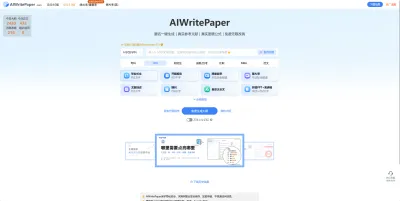

AIWritePaper论文写作
AI论文写作指导平台
AIWritePaper论文写作是一站式AI论文写作辅助工具,简化了选题、文献检索至论文撰写的整个过程。通过简单设定,平台可快速生成高质量论文大纲和全文,配合图表、参考文献等一应俱全,同时提供开题报告和答辩PPT等增值服务,保障数据安全,有效提升写作效率和论文质量。


博思AIPPT
AI一键生成PPT,就用博思AIPPT!
博思AIPPT,新一代的AI生成PPT平台,支持智能生成PPT、AI美化PPT、文本&链接生成PPT、导入Word/PDF/Markdown文档生成PPT等,内置海量精美PPT模板,涵盖商务、教育、科技等不同风格,同时针对每个页面提供多种版式,一键自适应切换,完美适配各种办公场景。
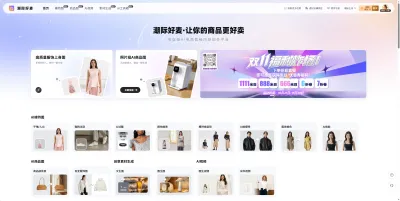

潮际好麦
AI赋能电商视觉革命,一站式智能商拍平台
潮际好麦深耕服装行业,是国内AI试衣效果最好的软件。使用先进AIGC能力为电商卖家批量提供优质的、低成本的商拍图。合作品牌有Shein、Lazada、安踏、百丽等65个国内外头部品牌,以及国内10万+淘宝、天猫、京东等主流平台的品牌商家,为卖家节省将近85%的出图成本,提升约3倍出图效率,让品牌能够快速上架。

推荐工具精选


AI云服务特惠
懂AI专属折扣关注微信公众号
最新AI工具、AI资讯
独家AI资源、AI项目落地

微信扫一扫关注公众号