


Deep Learning for Polyp Detection and Classification in Colonoscopy
This repository was created from the following review paper: A. Nogueira-Rodríguez; R. Domínguez-Carbajales; H. López-Fernández; Á. Iglesias; J. Cubiella; F. Fdez-Riverola; M. Reboiro-Jato; D. Glez-Peña (2020) Deep Neural Networks approaches for detecting and classifying colorectal polyps. Neurocomputing.
Please, cite it if you find it useful for your research.
AI4PolypNet

As part of AI4PolypNet, we are involved in a challenge that will be developed at iSMIT (September 2024). In this edition we will focus only on colonoscopy images and, apart from classical polyp detection and segmentation we present an extended version of polyp classification, including the challenging serrated sessile adenoma class. All the information is available here.
About this repository
This repository collects the most relevant studies applying Deep Learning for Polyp Detection and Classification in Colonoscopy from a technical point of view, focusing on the low-level details for the implementation of the DL models. In first place, each study is categorized in three types: (i) polyp detection and localization (through bounding boxes or binary masks, i.e. segmentation), (ii) polyp classification, and (iii) simultaneous polyp detection and classification (i.e. studies based on the usage of a single model such as YOLO or SSD to performs simultaneous polyp detection and classification). Secondly, a summary of the public datasets available as well as the private datasets used in the studies is provided. The third section focuses on technical aspects such as the Deep Learning architectures, the data augmentation techniques and the libraries and frameworks used. Finally, the fourth section summarizes the performance metrics reported by each study.
Suggestions are welcome, please check the contribution guidelines before submitting a pull request.
Table of Contents:
- Research
- Datasets
- Deep Learning Models and Architectures
- Performance
- List of Acronyms and Abbreviations
- References and Further Reading
Research
Polyp Detection and Localization
| Study | Date | Endoscopy type | Imaging technology | Localization type | Multiple polyp | Real time |
|---|---|---|---|---|---|---|
| Tajbakhsh et al. 2014, Tajbakhsh et al. 2015 | Sept. 2014 / Apr. 2015 | Conventional | N/A | Bounding box | No | Yes |
| Zhu R. et al. 2015 | Oct. 2015 | Conventional | N/A | Bounding box (16x16 patches) | Yes | No |
| Park and Sargent 2016 | March 2016 | Conventional | NBI, WL | Bounding box | No | No |
| Yu et al. 2017 | Jan. 2017 | Conventional | NBI, WL | Bounding box | No | No |
| Zhang R. et al. 2017 | Jan. 2017 | Conventional | NBI, WL | No | No | No |
| Yuan and Meng 2017 | Feb. 2017 | WCE | N/A | No | No | No |
| Brandao et al. 2018 | Feb. 2018 | Conventional/WCE | N/A | Binary mask | Yes | No |
| Zhang R. et al. 2018 | May 2018 | Conventional | WL | Bounding box | No | No |
| Misawa et al. 2018 | June 2018 | Conventional | WL | No | Yes | No |
| Zheng Y. et al. 2018 | July 2018 | Conventional | NBI, WL | Bounding box | Yes | Yes |
| Shin Y. et al. 2018 | July 2018 | Conventional | WL | Bounding box | Yes | No |
| Urban et al. 2018 | Sep. 2018 | Conventional | NBI, WL | Bounding box | No | Yes |
| Mohammed et al. 2018, GitHub | Sep. 2018 | Conventional | WL | Binary mask | Yes | Yes |
| Wang et al. 2018, Wang et al. 2018 | Oct. 2018 | Conventional | N/A | Binary mask | Yes | Yes |
| Qadir et al. 2019 | Apr. 2019 | Conventional | NBI, WL | Bounding box | Yes | No |
| Blanes-Vidal et al. 2019 | March 2019 | WCE | N/A | Bounding box | Yes | No |
| Zhang X. et al. 2019 | March 2019 | Conventional | N/A | Bounding box | Yes | Yes |
| Misawa et al. 2019 | June 2019 | Conventional | N/A | No | Yes | No |
| Zhu X. et al. 2019 | June 2019 | Conventional | N/A | No | No | Yes |
| Ahmad et al. 2019 | June 2019 | Conventional | WL | Bounding box | Yes | Yes |
| Sornapudi et al. 2019 | June 2019 | Conventional/WCE | N/A | Binary mask | Yes | No |
| Wittenberg et al. 2019 | Sept. 2019 | Conventional | WL | Binary mask | Yes | No |
| Yuan Y. et al. 2019 | Sept. 2019 | WCE | N/A | No | No | No |
| Ma Y. et al. 2019 | Oct. 2019 | Conventional | N/A | Bounding box | Yes | No |
| Tashk et al. 2019 | Dec. 2019 | Conventional | N/A | Binary mask | No | No |
| Jia X. et al. 2020 | Jan. 2020 | Conventional | N/A | Binary mask | Yes | No |
| Ma Y. et al. 2020 | May 2020 | Conventional | N/A | Bounding box | Yes | No |
| Young Lee J. et al. 2020 | May 2020 | Conventional | N/A | Bounding box | Yes | Yes |
| Wang W. et al. 2020 | July 2020 | Conventional | WL | No | No | No |
| Li T. et al. 2020 | Oct. 2020 | Conventional | N/A | No | No | No |
| Sánchez-Peralta et al. 2020 | Nov. 2020 | Conventional | NBI, WL | Binary mask | No | No |
| Podlasek J. et al. 2020 | Dec. 2020 | Conventional | N/A | Bounding box | No | Yes |
| Qadir et al. 2021 | Feb. 2021 | Conventional | WL | Bounding box | Yes | Yes |
| Xu J. et al. 2021 | Feb. 2021 | Conventional | WL | Bounding box | Yes | Yes |
| Misawa et al. 2021 | Apr. 2021 | Conventional | WL | No | Yes | Yes |
| Livovsky et al. 2021 | June 2021 | Conventional | N/A | Bounding box | Yes | Yes |
| Pacal et al. 2021 | July 2021 | Conventional | WL | Bounding box | Yes | Yes |
| Liu et al. 2021 | July 2021 | Conventional | N/A | Bounding box | Yes | Yes |
| Nogueira-Rodríguez et al. 2021 | Aug. 2021 | Conventional | NBI, WL | Bounding box | Yes | Yes |
| Yoshida et al. 2021 | Aug. 2021 | Conventional | WL, LCI | Bounding box | Yes | Yes |
| Ma Y. et al. 2021 | Sep. 2021 | Conventional | WL | Bounding box | Yes | No |
| Pacal et al. 2022 | Nov. 2021 | Conventional | WL | Bounding box | Yes | Yes |
| Nogueira-Rodríguez et al. 2022 | April 2022 | Conventional | NBI, WL | Bounding box | Yes | Yes |
| Nogueira-Rodríguez et al. 2023 | March 2023 | Conventional | NBI, WL | Bounding box | Yes | Yes |
Polyp Classification
| Study | Date | Endoscopy type | Imaging technology | Classes | Real time |
|---|---|---|---|---|---|
| Ribeiro et al. 2016 | Oct. 2016 | Conventional | WL | Neoplastic vs. Non-neoplastic | No |
| Zhang R. et al. 2017 | Jan. 2017 | Conventional | NBI, WL | Adenoma vs. hyperplastic <br/> Resectable vs. non-resectable<br/> Adenoma vs. hyperplastic vs. serrated | No |
| Byrne et al. 2017 | Oct. 2017 | Conventional | NBI | Adenoma vs. hyperplastic | Yes |
| Komeda et al. 2017 | Dec. 2017 | Conventional | NBI, WL, Chromoendoscopy | Adenoma vs. non-adenoma | No |
| Chen et al. 2018 | Feb. 2018 | Conventional | NBI | Neoplastic vs. hyperplastic | No |
| Lui et al. 2019 | Apr. 2019 | Conventional | NBI, WL | Endoscopically curable lesions vs. endoscopically incurable lesion | No |
| Kandel et al. 2019 | June 2019 | Conventional | N/A | Adenoma vs. hyperplastic vs. serrated (sessile serrated adenoma/traditional serrated adenoma) | No |
| Zachariah et al. 2019 | Oct. 2019 | Conventional | NBI, WL | Adenoma vs. serrated | Yes |
| Bour et al. 2019 | Dec. 2019 | Conventional | N/A | Paris classification: not dangeours (types Ip, Is, IIa, and IIb) vs. dangerous (type IIc) vs. cancer (type III) | No |
| Patino-Barrientos et al. 2020 | Jan. 2020 | Conventional | WL | Kudo's classification: malignant (types I, II, III, and IV) vs. non-malignant (type V) | No |
| Cheng Tao Pu et al. 2020 | Feb. 2020 | Conventional | NBI, BLI | Modified Sano's (MS) classification: MS I (Hyperplastic) vs. MS II (Low-grade tubular adenomas) vs. MS |
编辑推荐精选
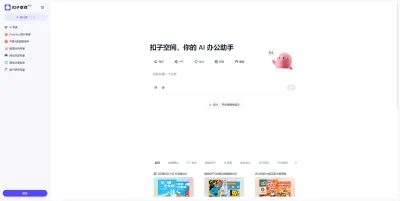

扣子-AI办公
职场AI,就用扣子
AI办公助手,复杂任务高效处理。办公效率低?扣子空间AI助手支持播客生成、PPT制作、网页开发及报告写作,覆盖科研、商业、舆情等领域的专家Agent 7x24小时响应,生活工作无缝切换,提升50%效率!


堆友
多风格AI绘画神器
堆友平台由阿里巴巴设计团队创建,作为一款AI驱动的设计工具,专为设计师提供一站式增长服务。功能覆盖海量3D素材、AI绘画、实时渲染以及专业抠图,显著提升设计品质和效率。平台不仅提供工具,还是一个促进创意交流和个人发展的空间,界面友好,适合所有级别的设计师和创意工作者。


码上飞
零代码AI应用开发平台
零代码AI应用开发平台,用户只需一句话简单描述需求,AI能自动生成小程序、APP或H5网页应用,无需编写代码。
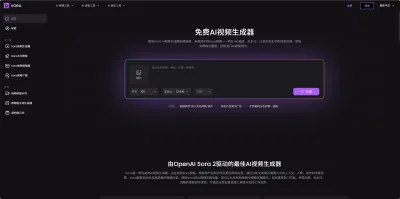

Vora
免费创建高清无水印Sora视频
Vora是一个免费创建高清无水印Sora视频的AI工具


Refly.AI
最适合小白的AI自动化工作流平台
无需编码,轻松生成可复用、可变现的AI自动化工作流


酷表ChatExcel
大模型驱动的Excel数据处理工具
基于大模型交互的表格处理系统,允许用户通过对话方式完成数据整理和可视化分析。系统采用机器学习算法解析用户指令,自动执行排序、公式计算和数据透视等操作,支持多种文件格式导入导出。数据处理响应速度保持在0.8秒以内,支持超过100万行数据的即时分析。

TRAE编程
AI辅助编程,代码自动修复
Trae是一种自适应的集成开发环境(IDE),通过自动化和多元协作改变开发流程。利用Trae,团队能够更快速、精确地编写和部署代码,从而提高编程效率和项目交付速度。Trae具备上下文感知和代码自动完成功能,是提升开发效率的理想工具。
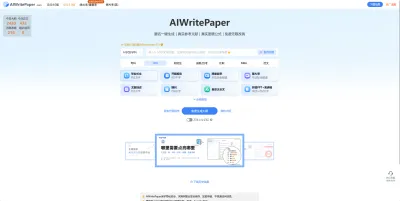

AIWritePaper论文写作
AI论文写作指导平台
AIWritePaper论文写作是一站式AI论文写作辅助工具,简化了选题、文献检索至论文撰写的整个过程。通过简单设定,平台可快速生成高质量论文大纲和全文,配合图表、参考文献等一应俱全,同时提供开题报告和答辩PPT等增值服务,保障数据安全,有效提升写作效率和论文质量。
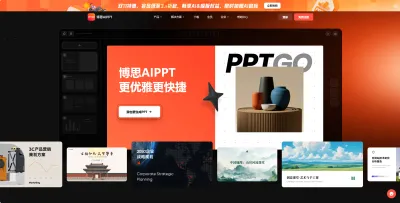

博思AIPPT
AI一键生成PPT,就用博思AIPPT!
博思AIPPT,新一代的AI生成PPT平台,支持智能生成PPT、AI美化PPT、文本&链接生成PPT、导入Word/PDF/Markdown文档生成PPT等,内置海量精美PPT模板,涵盖商务、教育、科技等不同风格,同时针对每个页面提供多种版式,一键自适应切换,完美适配各种办公场景。
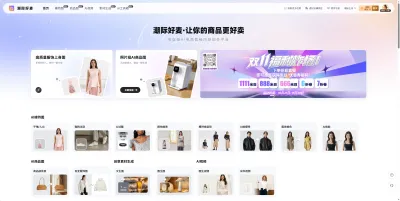

潮际好麦
AI赋能电商视觉革命,一站式智能商拍平台
潮际好麦深耕服装行业,是国内AI试衣效果最好的软件。使用先进AIGC能力为电商卖家批量提供优质的、低成本的商拍图。合作品牌有Shein、Lazada、安踏、百丽等65个国内外头部品牌,以及国内10万+淘宝、天猫、京东等主流平台的品牌商家,为卖家节省将近85%的出图成本,提升约3倍出图效率,让品牌能够快速上架。

推荐工具精选


AI云服务特惠
懂AI专属折扣关注微信公众号
最新AI工具、AI资讯
独家AI资源、AI项目落地

微信扫一扫关注公众号