


GodSVG
<p align="center"> <img src="godot_only/source_assets/splash.svg" width="480" alt="GodSVG logo"> </p>GodSVG is an editor for Scalable Vector Graphics (SVG) files. Unlike other editors, it represents the SVG code directly, doesn't add any metadata, and even lets you edit the SVG code in real time. GodSVG is inspired by the need for an SVG editor without abstractions that produces clean and optimized files.
[!IMPORTANT] GodSVG is not officially released, it's currently in late alpha.
GodSVG is almost entirely made by my work in my free time. If you like this project and want to help secure it through its development, you can donate on one of the platforms listed to the right and make it a less financially stupid endeavor for me.
Features
- Interactive SVG editing: Modify individual elements of an SVG file using a user-friendly interface.
- Real-time code: As you manipulate elements in the UI, code is instantly generated and can be edited.
- Optimized SVGs: The generated SVG files are small and efficient, and there are many options to assist with optimization.
How to get it
Download the version you want from the list of GodSVG releases.
Note that if you're on MacOS, you need to disable Gatekeeper if you haven't yet. I don't have the time or money to deal with Apple's gatekeeping.
Link to the web build: https://godsvg.com/editor
To run the latest unreleased version, you can download Godot from https://godotengine.org (development is currently happening in v4.3.beta1). After getting the repository files on your machine, you must open Godot, click on the "Import" button, and import the project.godot folder. If there are a lot of errors as some people have reported, it's Godot's fault. Try closing and opening the project a few times, changing small things on the code that errors out, etc. until the errors hopefully clear.
How to use it
Documentation for GodSVG is likely eventually going to be built-in. Meanwhile, the basics of using it will be outlined below.
GodSVG is something between an SVG editor and an assisted code editor for SVG files. SVGs are a text-based format, and to understand how to be efficient with the tool, it would really help to first familiarize with the SVG basics (Check out the first few tutorials here).
If you want to import an existing graphic from scratch, use the Import button on top of the code editor or drag-and-drop an SVG file into the app.
To add new shapes, press the "+ Add new element" button, right-click inside the viewport, or right-click inside the elements list. You can then select your shape from the dropdown. After your shape is added, you can drag its handles in the viewport to change its geometry, or modify the attributes in the inspector to change its other properties, like fill and stroke. You can also always modify the SVG code directly.
In the inspector, you can hover each element's fields to see which attribute they represent. You may select elements in the viewport on the right or the inspector on the left, and right-click to do operations on them such as deleting or moving them. Some of these actions shortcuts, you can find them in the settings menu.
Pathdata attributes have a very complex editor that allows for selecting individual path commands with a lot of similarities to elements. You can right-click the path command and click "Insert After", then pick the one you want. If you're used to SVG paths, you can also use the M, L, H, V, Z, A, Q, T, C, S keys to insert a new path command after a selected one; pressing Shift will also make the new command absolute instead of relative.
Multiple elements or path commands can be selected as usual with Ctrl+Click and Shift+Click. Additionally, double-clicking a path command will select the whole subpath it's in.
To export the graphic, use the Export button on top of the code editor.
Community and contributing
Contributions are very welcome! GodSVG is built in Godot. For code contributions, read Contributing Guidelines. Before starting work on features, first propose them by using the issue form and wait for approval.
To report bugs or propose features, use Github's issue form. For more casual discussion around the tool or contributing to it, find me on GodSVG's Discord.
GodSVG is free for everyone to use however they want. This is not to say that the official communities are anarchy: All of them, including this Github repository, are actively moderated.
License
GodSVG is licensed under the MIT License:
- You are free to use GodSVG for any purpose. GodSVG's license terms and copyright do not apply to the content created with it.
- You can study how GodSVG works and change it.
- You may distribute modified versions of GodSVG. Derivative products may use a different license, but they must still document that they derive from the MIT-licensed GodSVG.
The above explanation reflects my understanding of my own license terms and does not constitute legal advice.
编辑推荐精选
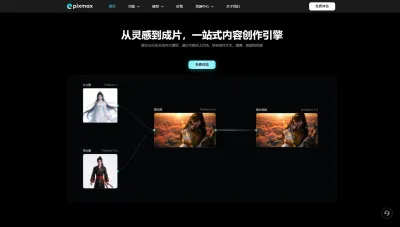

Pixmax
一站式AI短剧创作平台
Pixmax专注打造下一代“ AI 视觉创作引擎”,整合行业顶尖 AI 大模型、工工业级精准控制及企业级协同管理功能,是全方位的 AI 内容创作平台。


豆包
字节跳动旗下 AI 智能助手
字节跳动旗下 AI 智能助手

GPT Plus|Pro充值
GPT充值
支持 ChatGPT Plus / Pro 充值服务,支付便捷,自动发货,售后可查。
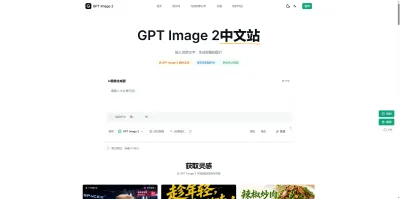

GPT Image 2中文站
AI 图片生成平台
GPT Image 2 是面向用户的 AI 图片生成平台,支持文生图、图生图及多模型创意工作流。

Vecbase
你的AI Agent团队
Vecbase 是专为 AI 团队打造的智能工作空间,将数据管理、模型协作与知识沉淀整合于一处。算法、产品与业务在同一平台无缝协同,让从数据到 AI 应用的落地更快一步。

音述AI
全球首个AI音乐社区
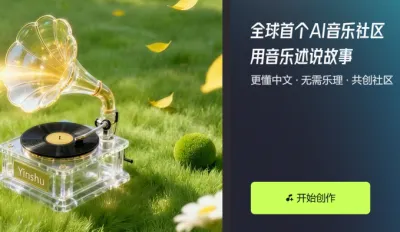
音述AI是全球首个AI音乐社区,致力让每个人都能用音乐表达自我。音述AI提供零门槛AI创作工具,独创GETI法则帮助用户精准定义音乐风格,AI润色功能支持自动优化作品质感。音述AI支持交流讨论、二次创作与价值变现。针对中文用户的语言习惯与文化背景进行专门优化,支持国风融合、C-pop等本土音乐标签,让技术更好地承载人文表达。

QoderWork
阿里Qoder团队推出的桌面端AI智能体
QoderWork 是阿里推出的本地优先桌面 AI 智能体,适配 macOS14+/Windows10+,以自然语言交互实现文件管理、数据分析、AI 视觉生成、浏览器自动化等办公任务,自主拆解执行复杂工作流,数据本地运行零上传,技能市场可无限扩展,是高效的 Agentic 生产力办公助手。

lynote.ai
一站式搞定所有学习需求
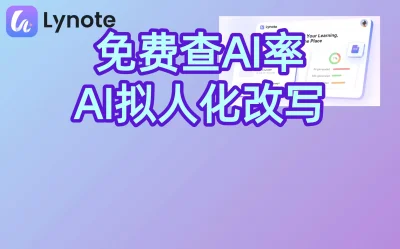
不再被海量信息淹没,开始真正理解知识。Lynote 可摘要 YouTube 视频、PDF、文章等内容。即时创建笔记,检测 AI 内容并下载资料,将您的学习效率提升 10 倍。


AniShort
为AI短剧协作而生
专为AI短剧协作而生的AniShort正式发布,深度重构AI短剧全流程生产模式,整合创意策划、制作执行、实时协作、在线审片、资产复用等全链路功能,独创无限画布、双轨并行工业化工作流与Ani智能体助手,集成多款主流AI大模型,破解素材零散、版本混乱、沟通低效等行业痛点,助力3人团队效率提升800%,打造标准化、可追溯的AI短剧量产体系,是AI短剧团队协同创作、提升制作效率的核心工具。


seedancetwo2.0
能听懂你表达的视频模型
Seedance two是基于seedance2.0的中国大模型,支持图像、视频、音频、文本四种模态输入,表达方式更丰富,生成也更可控。

推荐工具精选


AI云服务特惠
懂AI专属折扣关注微信公众号
最新AI工具、AI资讯
独家AI资源、AI项目落地

微信扫一扫关注公众号